Hey there! I’m a supplier of auxiliary equipment, and today I want to chat with you about the energy consumption characteristics of this stuff. It might not sound super exciting at first, but trust me, understanding this can save you a bunch of money and help the environment too. Auxiliary Equipment

First off, let’s talk about what we mean by auxiliary equipment. It’s basically all the supporting gear that helps the main machinery in a factory or a facility work properly. Think about things like pumps, fans, compressors, and conveyors. These aren’t the main products, but they’re crucial for the whole operation.
One of the key energy – consumption characteristics of auxiliary equipment is its variability. Unlike some main production machines that might run at a steady pace, auxiliary equipment often has to adjust its operation based on the needs of the system. For example, a pump in a water – supply system might need to increase or decrease its flow rate depending on how much water is actually being used. This means that its energy consumption can change a lot throughout the day.
Let me give you a real – world example. I’ve worked with a food processing plant. They had a conveyor belt system that was used to move products from one part of the factory to another. During peak production hours, the conveyor had to run at full speed, which required a significant amount of energy. But in between batches or during breaks, the conveyor could slow down or even stop. This kind of on – and – off, high – and – low operation pattern affects how much energy the conveyor consumes over time.
Another important characteristic is the inefficiency of some older auxiliary equipment. A lot of facilities still use equipment that was installed years ago, and these machines are often not as energy – efficient as the newer models. For instance, an old compressor might use a lot more electricity to compress the same amount of air as a modern, high – efficiency compressor. The reason for this inefficiency can be due to several factors. The motors might not be well – designed, the insulation could be poor, or the control systems might not be able to adjust the operation of the equipment optimally.
I remember a client who had an old fan in their warehouse. It was constantly running at a high speed, even when the ventilation requirements were low. After we replaced it with a new fan that had a variable – speed drive, they saw a significant drop in their energy bills. The new fan could adjust its speed according to the actual ventilation needs, which meant it used less energy overall.
The size of the auxiliary equipment also matters when it comes to energy consumption. If you have an oversized pump in a small – scale water – circulation system, it will use more energy than necessary. The pump will have to work against a lower demand, and it will often operate at a point where it’s not very efficient. On the other hand, an undersized piece of equipment might have to work overtime to meet the requirements, which also leads to higher energy consumption and more wear and tear on the machine.
For example, I once visited a small manufacturing unit that had installed a large – capacity compressor. They thought it would be better to have some extra capacity in case they expanded in the future. But in the meantime, the compressor was using a lot of energy just to maintain its idle state, and it was also less efficient because it was operating far from its optimal load point.
The control system of auxiliary equipment is a game – changer when it comes to energy consumption. Modern control systems can monitor the operation of the equipment in real – time and make adjustments accordingly. For example, a smart control system for a heating system can sense the temperature in a room and adjust the output of the heater to maintain a comfortable temperature without wasting energy.
I’ve seen some amazing results with clients who’ve upgraded their control systems. A hotel I worked with had a complex HVAC system. After installing a smart control system, they were able to reduce their energy consumption by almost 30%. The system could adjust the temperature and ventilation in different areas of the hotel based on factors like occupancy and outside weather conditions.
Now, let’s talk about the impact of maintenance on energy consumption. Poorly maintained auxiliary equipment is like a gas – guzzling car. It will use more energy to do the same job. For example, if the bearings in a fan are worn out, the fan will have to work harder to rotate, which means more energy is consumed. Regular maintenance, like lubricating moving parts, checking and replacing worn – out components, and cleaning filters, can keep the equipment running efficiently.
I had a client with a set of pumps in a chemical plant. They weren’t doing regular maintenance, and the pumps were gradually becoming less efficient. After we conducted a comprehensive maintenance program, including cleaning the impellers and replacing the seals, the pumps’ energy consumption went down significantly.
The type of energy source also affects the overall energy consumption story. Some auxiliary equipment can run on different types of energy, like electricity, natural gas, or steam. The choice of energy source depends on factors like cost, availability, and environmental impact. For example, in some areas, natural gas is cheaper than electricity, so using a natural – gas – powered compressor might be a more cost – effective option.
I’ve helped clients make these energy – source decisions. One client in a region with abundant natural gas switched from an electric – powered boiler to a natural – gas – powered one. This not only reduced their energy costs but also decreased their carbon footprint.
In summary, the energy consumption characteristics of auxiliary equipment are all about variability, efficiency, size, control systems, maintenance, and energy sources. By understanding these characteristics, you can make more informed decisions about which equipment to buy, how to operate it, and how to maintain it to save energy and money.
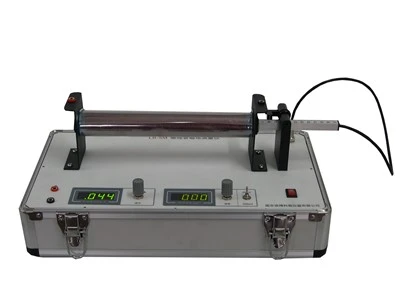
If you’re looking to upgrade your auxiliary equipment or improve its energy efficiency, I’d love to chat. Whether you’re in a small workshop or a large industrial complex, I’ve got the expertise and the right products to help you out. Get in touch, and let’s start talking about how we can make your operation more energy – efficient and cost – effective.
Auxiliary Equipment References:
- Energy Management Handbook, Fifth Edition by W. Kent Morris
- Industrial Energy Conservation by S. P. Sukhatme
Nanjing Longbow Scientific&Educational Instrument Co., Ltd.
As one of the most professional auxiliary equipment manufacturers and suppliers in China, we’re featured by quality products and good service. Please rest assured to buy customized auxiliary equipment from our factory. If you have any enquiry about pricelist, please feel free to email us.
Address: Room D, 22th floor, No.305, North Jiangdong Road, Nanjing,Jiangsu Province, China
E-mail: 79425380@qq.com
WebSite: https://www.lb-physics.com/
