If you’ve ever needed to measure force or weight in heavy machinery, lifting operations, or industrial setups, you’ve probably run into “load pins” and “load cells” before. I get tons of questions from folks new to this space, and a lot of ’em mix these two up all the time. Even some old-timers I work with catch themselves using the wrong term for one or the other. Let’s break this down like I would when I’m chatting with a customer who’s picking out gear for their latest job—no stuffy engineering jargon, just straight talk. Load Pins
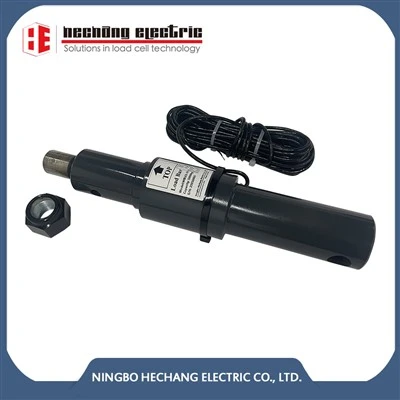
First off, let’s start with what each of these actually is, because that’s where most of the confusion lives. I’m a load pin supplier, so I’m biased, but I’ll keep this real. A load pin is essentially a pin that does the work of a regular pin in a setup, but with a twist: it measures the force going through it. Think about a crane boom’s lifting point, or a shackle on a heavy lifter—those pins are just there to hold parts together, right? A load pin replaces that ordinary pin, and inside it are strain gauges glued on (or machined into the metal) that pick up when the pin bends a tiny bit under load. That bend is super small, like nanometers small, but the gauges turn that into an electrical signal that tells you exactly how much weight is pulling on that point.
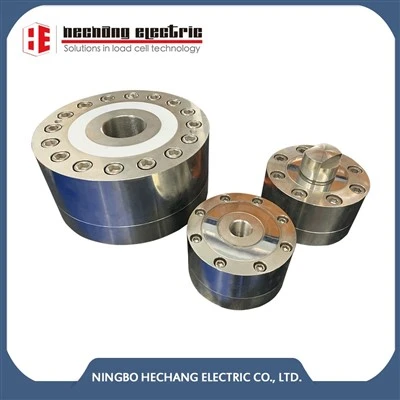
Load cells, on the other hand, are standalone sensors made to measure force, but they’re not a structural part of whatever you’re building or fixing. Most load cells are little blocks, cylinders, or plates—they sit between two parts to measure the force going through them. For example, if you want to measure how much a pallet jack is carrying, you might put a load cell under each wheel well of the pallet fork. They don’t hold the structure together; they just slip in to take a reading.
Okay, so now that’s the basics, let’s get into the differences that actually matter for your job. Because who cares what they look like? It comes down to where you use ’em, how easy they are to install, and how accurate they are in tough environments.
Let’s talk installation first, because that’s a big one. I’ve seen so many people skip load pins just ’cause they think installing ’em is a headache, but it’s usually way simpler than you’d think. If you’re swapping out a regular pin in a crane, a shackle, a hoist, even a tie-down on a heavy truck, you just pull the old pin out and slide the load pin right in. No modifying the setup, no drilling extra holes, no adding random parts. That’s a huge win for guys who work on job sites—time is money, and the less time you spend modifying gear, the less downtime you have.
Load cells? Most of the time, you have to design the setup around ’em. If you’re putting a load cell under a conveyor, you can’t just swap a bolt out—you have to mount the cell between two brackets, maybe build a custom housing to protect it from dust, moisture, or impacts. And if the load changes size? You might have to redo the whole mount. For mobile stuff, like a portable lift, that’s a pain. I had a customer last month who was trying to add force measurement to his field lifting rig; he tried load cells first and spent two days building mounts, then switched to load pins and had it done in 20 minutes. That’s not an exaggeration.
Then there’s durability. Let’s be real—most industrial jobs are messy. Dust, rain, extreme heat, heavy impacts, chemicals. Load pins are built to be structural first, sensors second. They’re made from high-grade steel—alloy steel or stainless steel, usually—so they can take all the abuse that a regular pin would. My load pins are rated to IP67 or IP68 for water and dust, so they don’t care if it’s pouring rain on a job site or you’re running ’em in a sawmill full of sawdust. Load cells, though? A lot of ’em are pretty delicate. If a load cell isn’t housed right, a rock falling on it can break the strain gauges, or dust can get in and mess up the readings. Even the tough industrial load cells I’ve seen have to be protected way more than a load pin. I’ve had customers come to me after ruining three load cells in six months because they were using ’em in a rugged quarry, and once they switched to load pins, they haven’t had to replace a single one in two years. That’s a difference that adds up to real savings.
Wait, but what about accuracy? Don’t get me wrong, both can be super accurate when installed right, but they’re accurate in different ways. Load pins are measuring force right where the load is being applied, so you don’t have to worry about extra slack or misalignment messing up the reading. If the pin is seated right in the holes, the reading is straight from the force going through that connection. Load cells, though, can be off if they’re not aligned perfectly. If the force is at an angle instead of straight down, or the mount shifts a little, that throws the reading off. I’ve seen a customer’s load cell give a 10% error for no reason except a tiny bit of wobble in the bracket it was mounted to. Load pins don’t do that as much, because they’re part of the structure—any tiny movement is the actual load you’re measuring, not a mount issue.
Now, let’s talk about use cases, because that’s how you pick which one you need. If you’re working on static setups, like a platform scale or a conveyor that never moves, load cells might be perfect. They’re cheap, easy to calibrate, and you can get really high capacity ones for weighing super heavy stuff. But if you’re dealing with moving equipment—cranes, hoists, lift trucks, rigging for construction, even heavy-duty trailers? Load pins are the way to go. They don’t add extra weight to the rig, they don’t get knocked loose when the equipment bounces on a job site, and they’re built to survive being jostled around.
I’ll give you a couple examples from my own customers. One guy does offshore lifting—super rough, saltwater everywhere, constant movement. He tried load cells first, and they’d corrode and fail in three months. Now he uses my load pins, and they’ve lasted five years on the same rig. Another customer runs a fleet of mobile crane trucks; he needed to track the load each crane is lifting to make sure they don’t overload. Load cells would be too big and hard to install on the crane’s boom pins, but load pins slide right in, and he gets an accurate reading every time.
Wait, but there are times when load cells make sense, right? I don’t want to act like load pins are the answer to everything. If you’re building a new setup from scratch, like a test bench for small parts, or a static scale where you can build the whole thing around a sensor, load cells are fine. They’re usually cheaper than load pins for low capacity stuff, too. But if you’re retrofitting an existing piece of equipment, or working in a harsh, mobile environment, load pins are almost always the better pick.
A lot of people also ask about calibration and maintenance. Load pins don’t need much maintenance, honestly. You just check the connections every once in a while to make sure there’s no corrosion, and recalibrate it once a year if you’re using it for critical applications. Load cells, especially the ones that are exposed, need way more frequent checks—cleaning, lubricating mounts, recalibrating more often. That adds up over time. My customers tell me they spend 30 minutes a week maintaining their load cells, vs. 5 minutes a month on their load pins. That’s a huge time saver for guys who are already stretched thin on job sites.
Let me clear up a common myth, too. Some people think load pins can only handle small loads, but that’s not true. I’ve supplied load pins that go up to 1,000 tons—way bigger than most load cells. If you need to measure the force on a 500-ton crane hook, a load pin is the only way to do it without modifying the whole hook assembly. Load cells for that kind of capacity are huge and super expensive, and they’re not built to be structural.
Another thing: integration. Most load pins come ready to connect to your existing monitoring system, right? I include pre-calibrated outputs so you don’t have to mess with wiring or programming. Load cells might need extra signal amplifiers, because their output is usually smaller. That’s another step you skip with a load pin.
Now, let’s wrap this up so it’s not just a list of facts. At the end of the day, the difference between load pins and load cells comes down to one core question: is your sensor part of the structure, or a separate component? Load pins are structural sensors—they replace the regular pins, bolts, shackles that hold your equipment together. Load cells are standalone sensors that sit between parts. That’s the line that decides which one you need.
If you’re working on a mobile, rugged application, retrofitting existing gear, and you don’t want to spend hours modifying mounts or replacing sensors every few months, load pins are the way to go. If you’re building a new static setup and cost is your top priority, load cells might work. But if you’re in the market for load pins, I’m the guy to talk to. I’ve been supplying load pins for years, and I can help you pick the right size, capacity, and rating for your specific job—whether it’s a small shackle for a rig, a big boom pin for a crane, or anything in between. If you’re tired of dealing with flimsy load cells that break on the job, or wasting time modifying setups, reach out and let’s chat.
Livestock Load Cells Reference:
- Load Pin vs Load Cell: A Practical Guide for Industrial Force Measurement, Industrial Sensor Association, 2022
- Durability Comparison of Structural Sensors for Offshore Lifting Operations, Journal of Industrial Equipment, 2021
- Retrofit Force Measurement: Cost and Time Analysis, Construction Equipment Association, 2023
Ningbo Hechang Electric Co., Ltd.
As one of the most professional load pins manufacturers and suppliers in China, we also support customized service. We warmly welcome you to buy advanced load pins for sale here from our factory. If you have any enquiry about cooperation, please feel free to email us.
Address: No.66 Yongmao West Road, Ningbo, China
E-mail: info@hcesensor.com
WebSite: https://www.hechangsensor.com/
