Yo, folks! I’m a supplier of compact substations, and today I wanna chat about the protection settings for these bad boys. Compact substations are like the unsung heroes of the power distribution world. They’re small, but they pack a punch when it comes to getting electricity where it needs to go efficiently and safely. Compact Substation

Let’s start with the basics. What exactly is a compact substation? Well, it’s a pre – fabricated, self – contained unit that combines high – voltage switchgear, a transformer, and low – voltage switchgear all in one compact package. It’s designed to be easy to install and operate, making it a great choice for a wide range of applications, from residential areas to commercial complexes.
Now, let’s dive into the protection settings. These settings are crucial because they keep the substation and the power system it’s connected to running smoothly. If something goes wrong, like a short – circuit or an overload, the protection devices kick in to prevent damage and keep the lights on.
Overcurrent Protection
One of the most important protection settings is overcurrent protection. This is all about detecting when there’s too much current flowing through the system. You know, like when you plug in too many appliances at once and the circuit breaker trips. In a compact substation, overcurrent protection is usually provided by circuit breakers or fuses.
Circuit breakers are pretty cool. They can automatically open the circuit when they detect an overcurrent condition. There are different types of circuit breakers, like thermal – magnetic circuit breakers. The thermal part responds to long – term overcurrents, while the magnetic part kicks in for short – term, high – magnitude overcurrents. Fuses, on the other hand, are simpler. They have a wire that melts when the current gets too high, breaking the circuit.
We set the overcurrent protection based on the rated current of the equipment in the substation. For example, if the transformer in the compact substation has a rated current of 100 amps, we’ll set the overcurrent protection device to trip at a value slightly higher than that, maybe 110 or 120 amps, depending on the specific requirements. This way, normal operation won’t trigger the protection, but any excessive current will be detected and dealt with.
Overvoltage and Undervoltage Protection
Voltage is another important factor. Overvoltage and undervoltage can cause all sorts of problems for electrical equipment. Overvoltage can fry components, while undervoltage can make motors run inefficiently or not at all.
Overvoltage protection devices, like surge arresters, are installed to divert excess voltage to the ground. These arresters are designed to handle sudden spikes in voltage, like those caused by lightning strikes or switching operations. Undervoltage protection, on the other hand, monitors the voltage level and takes action if it drops below a certain threshold. For instance, it might disconnect non – essential loads to prevent damage to critical equipment.
We use voltage relays to measure the voltage in the substation. These relays are set to trip the circuit breakers when the voltage goes above or below a pre – determined value. The settings depend on the type of electrical equipment connected to the substation and the requirements of the power grid.
Differential Protection
Differential protection is a bit more advanced. It’s used to protect the transformer in the compact substation. The basic idea behind differential protection is to compare the current entering and leaving the transformer. Under normal conditions, these two currents should be equal (because of Kirchhoff’s current law). But if there’s a fault inside the transformer, like a short – circuit between windings, the currents will be different.
Differential protection relays continuously monitor the current at both the input and output of the transformer. If the difference between the two currents exceeds a certain value, the relay will trip the circuit breaker, isolating the transformer from the rest of the system. This helps prevent damage to the transformer and ensures the safety of the power system.
Earth Fault Protection
Earth fault protection is all about detecting when there’s a fault that causes current to flow to the ground. This can happen, for example, if a cable insulation fails and touches the ground. Earth faults can be dangerous because they can cause electric shocks and damage to equipment.
In a compact substation, we use earth fault relays to detect these faults. These relays monitor the current flowing through the neutral or earth connection. If an abnormal amount of current is detected, the relay will activate and trip the circuit breaker. The setting of the earth fault relay is based on the system’s requirements and the type of grounding used in the substation.
Temperature Protection
Transformers generate heat during operation, and if the temperature gets too high, it can damage the insulation and reduce the lifespan of the transformer. That’s why temperature protection is so important.
We use temperature sensors, like thermocouples or resistance temperature detectors (RTDs), to monitor the temperature of the transformer. These sensors are connected to a temperature control unit, which can activate cooling fans or trip the circuit breaker if the temperature exceeds a safe limit. The temperature settings are determined by the design of the transformer and the manufacturer’s recommendations.
Setting Up the Protection
Setting up the protection for a compact substation isn’t a one – size – fits – all situation. It requires a careful analysis of the specific requirements of the application, the characteristics of the electrical equipment, and the power grid it’s connected to.
First, we need to understand the load profile. How much power does the substation need to supply? Are there any peak loads? This information helps us determine the appropriate ratings for the protection devices.
Next, we consider the fault levels in the system. Fault levels depend on the capacity of the power source, the impedance of the network, and the type of grounding. By knowing the fault levels, we can set the protection devices to operate quickly and effectively in case of a fault.
We also have to comply with local electrical codes and standards. These codes ensure that the substation is safe and reliable. For example, in some areas, there are specific requirements for the setting of overcurrent and earth fault protection.
Why Our Compact Substations Rock
At our company, we’ve got a lot of experience in setting up the protection for compact substations. We’ve worked on all sorts of projects, from small residential developments to large industrial complexes. Our team of experts knows how to analyze the requirements and come up with the best protection settings for every situation.
We also use high – quality components in our compact substations. Our circuit breakers, relays, and sensors are from top – notch manufacturers, which means they’re reliable and accurate. And we don’t just install the substations and walk away. We offer ongoing support and maintenance services to make sure everything keeps running smoothly.
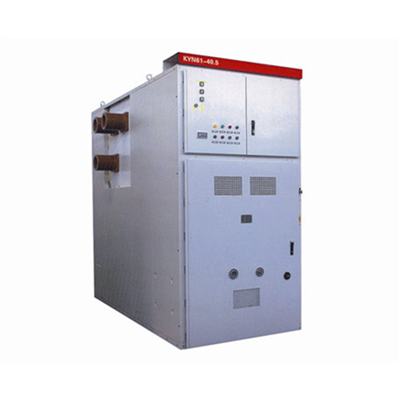
If you’re in the market for a compact substation, don’t just go for the cheapest option. Make sure you choose a supplier that knows what they’re doing when it comes to protection settings. A well – protected substation will save you a lot of headaches in the long run, whether it’s preventing costly equipment damage or keeping your power supply reliable.
Low Voltage Switchgear So, if you’re interested in learning more about our compact substations or want to discuss your specific protection needs, don’t hesitate to reach out. We’re here to help you find the best solution for your power distribution requirements.
References
- Electrical Protection Systems Handbook, by various electrical engineering experts
- Standards for Substation Design and Installation, from the International Electrotechnical Commission (IEC)
- Transformer Protection and Monitoring Guidelines, published by major transformer manufacturers
Anhui Xinchen Electrical Equipment Co., Ltd.
We are one of the most reliable compact substation manufacturers and suppliers in China, specialized in providing high quality customized products. We warmly welcome you to buy bulk compact substation for sale here from our factory. Contact us for quotation.
Address: No. 8, Waihuan South Road, Economic and Technical Development Zone, Ningguo City, Xuancheng City, Anhui Province
E-mail: xinchen0316@126.com
WebSite: https://www.cn-xinchen.com/
