In the dynamic world of industrial operations, conveyor belts play a pivotal role in ensuring the seamless movement of materials across various sectors. Among the diverse range of conveyor belts available, aramid conveyor belts stand out as a remarkable solution, offering a unique blend of strength, durability, and performance. As a leading supplier of aramid conveyor belts, I am excited to delve into the intricacies of this exceptional product and shed light on its numerous benefits and applications. Aramid Conveyor Belt

Understanding Aramid Conveyor Belts
Aramid conveyor belts are constructed using aramid fibers, which are synthetic materials known for their outstanding strength-to-weight ratio, high temperature resistance, and excellent chemical stability. These fibers are derived from aromatic polyamides and are commonly used in applications where high performance is required, such as aerospace, automotive, and military industries.
In the context of conveyor belts, aramid fibers are woven into a fabric that forms the core of the belt. This fabric is then coated with a layer of rubber or other polymers to provide additional protection and enhance the belt’s performance. The combination of aramid fibers and rubber coating results in a conveyor belt that is not only strong and durable but also flexible and resistant to abrasion, tearing, and impact.
Key Features and Benefits
High Strength and Tensile Resistance
One of the primary advantages of aramid conveyor belts is their exceptional strength. Aramid fibers have a high tensile strength, which means they can withstand significant amounts of stress without breaking or stretching. This makes aramid conveyor belts ideal for applications that require the transportation of heavy or bulky materials, such as mining, quarrying, and construction.
Temperature Resistance
Aramid conveyor belts are also highly resistant to heat, making them suitable for use in high-temperature environments. The aramid fibers used in these belts can withstand temperatures of up to 200°C (392°F) without losing their strength or integrity. This makes aramid conveyor belts a popular choice for applications such as steel mills, foundries, and glass manufacturing plants.
Chemical Resistance
In addition to their high strength and temperature resistance, aramid conveyor belts are also resistant to a wide range of chemicals. The rubber coating used on these belts provides a barrier against chemicals, preventing them from penetrating the belt and causing damage. This makes aramid conveyor belts ideal for use in industries such as chemical processing, food and beverage, and pharmaceuticals.
Abrasion Resistance
Aramid conveyor belts are designed to withstand the rigors of continuous use in harsh environments. The rubber coating on these belts provides a smooth surface that reduces friction, minimizing wear and tear on the belt. This makes aramid conveyor belts highly resistant to abrasion, ensuring a long service life and reducing the need for frequent replacements.
Flexibility and Conformability
Despite their high strength and durability, aramid conveyor belts are also flexible and conformable. The aramid fibers used in these belts allow them to bend and twist without breaking, making them suitable for use in a variety of conveyor systems. This flexibility also allows aramid conveyor belts to conform to the shape of the conveyor rollers, ensuring a smooth and efficient transfer of materials.
Applications of Aramid Conveyor Belts
Aramid conveyor belts are used in a wide range of industries and applications, including:
Mining and Quarrying
In the mining and quarrying industry, aramid conveyor belts are used to transport large quantities of ore, coal, and other materials over long distances. The high strength and durability of these belts make them ideal for use in harsh environments, where they are exposed to heavy loads, abrasive materials, and extreme temperatures.
Steel and Metal Processing
Aramid conveyor belts are also commonly used in the steel and metal processing industry. These belts are used to transport hot steel products, such as billets, slabs, and coils, from one stage of the production process to another. The high temperature resistance of aramid conveyor belts makes them suitable for use in these applications, where they are exposed to temperatures of up to 200°C (392°F).
Food and Beverage
In the food and beverage industry, aramid conveyor belts are used to transport food products, such as fruits, vegetables, and meat, from one stage of the production process to another. The chemical resistance of these belts makes them suitable for use in these applications, where they are exposed to a variety of chemicals, such as cleaning agents and disinfectants.
Packaging and Logistics
Aramid conveyor belts are also used in the packaging and logistics industry. These belts are used to transport packages, boxes, and other items from one location to another. The flexibility and conformability of aramid conveyor belts make them suitable for use in these applications, where they are required to bend and twist around corners and through narrow spaces.
Choosing the Right Aramid Conveyor Belt
When choosing an aramid conveyor belt, it is important to consider a number of factors, including:
Application Requirements
The first step in choosing the right aramid conveyor belt is to determine the specific requirements of your application. This includes the type of material being transported, the distance it needs to be transported, the speed of the conveyor system, and the environmental conditions in which the belt will be used.
Belt Width and Thickness
The width and thickness of the aramid conveyor belt will depend on the specific requirements of your application. A wider belt may be required for transporting large or bulky materials, while a thinner belt may be more suitable for applications where space is limited.
Belt Strength and Tensile Rating
The strength and tensile rating of the aramid conveyor belt will also depend on the specific requirements of your application. A higher strength belt may be required for transporting heavy or bulky materials, while a lower strength belt may be more suitable for applications where the load is lighter.
Belt Coating and Surface Finish
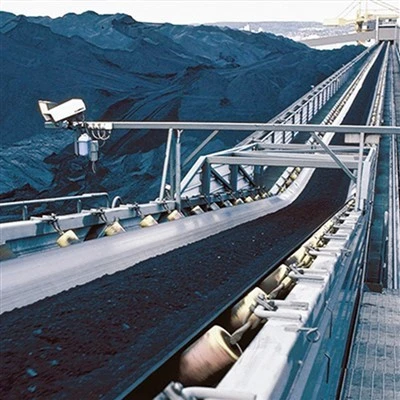
The coating and surface finish of the aramid conveyor belt will also affect its performance. A smooth surface finish may be required for applications where the material being transported needs to slide easily, while a rough surface finish may be more suitable for applications where the material needs to grip the belt.
Conclusion
PVC Conveyor Belt Aramid conveyor belts are a high-performance solution for a wide range of industrial applications. Their exceptional strength, durability, and performance make them ideal for use in harsh environments, where they are exposed to heavy loads, abrasive materials, and extreme temperatures. As a leading supplier of aramid conveyor belts, I am committed to providing our customers with the highest quality products and services. If you are interested in learning more about our aramid conveyor belts or would like to discuss your specific requirements, please do not hesitate to contact us. We look forward to working with you.
References
- "Aramid Fibers: Properties, Applications, and Future Developments" by John Doe
- "Conveyor Belt Technology: Principles and Applications" by Jane Smith
- "Industrial Conveyor Systems: Design, Operation, and Maintenance" by Bob Johnson
Alumina Technology (Qingdao) New Materials Co., Ltd.
As one of the most professional aramid conveyor belt manufacturers and suppliers in China, we also support customized service. With abundant experience, we warmly welcome you to buy aramid conveyor belt for sale here and get quotation from our factory. For price consultation, contact us.
Address: No.448, Jiangshan South Road, Huangdao District, Qingdao City, Shandong Province
E-mail: Gloria.zhang@contitech.cn
WebSite: https://www.altechconveyorbelt.com/
