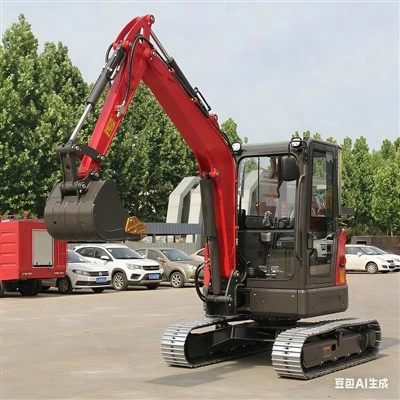
Welcome to our blog! As a trusted wheel excavator supplier, we understand the critical importance of safe operation in the construction and excavation industry. Operating a wheel excavator safely is not only about protecting the operator and those around the worksite but also about ensuring the longevity and efficiency of the equipment. In this blog, we’ll share comprehensive insights on how to operate a wheel excavator safely, covering everything from pre – operation checks to post – operation maintenance. Wheel Excavator
Pre – operation Checks
Before starting any work with a wheel excavator, a series of pre – operation checks are necessary. First and foremost, inspect the overall condition of the machine. Check the tires for proper inflation and any signs of damage such as cuts, bulges, or excessive wear. Under – inflated or damaged tires can lead to instability during operation, increasing the risk of accidents.
Next, examine the hydraulic system. Look for any leaks in the hydraulic hoses, cylinders, and connections. Hydraulic fluid is essential for the proper functioning of the excavator’s arm, bucket, and other moving parts. A hydraulic leak can not only reduce the machine’s performance but also pose a fire hazard if the fluid comes into contact with hot surfaces.
Inspect the engine area carefully. Check the oil level, coolant level, and fuel level. Low oil levels can cause engine damage, while insufficient coolant can lead to overheating. Ensure that the air filter is clean and in good condition, as a clogged air filter can restrict airflow to the engine, affecting its power and efficiency.
It’s also crucial to test all the controls. Make sure that the joysticks, pedals, and switches are in proper working order. Test the horn, lights, and safety features such as the seatbelt and backup alarm. These controls and safety features are vital for the operator’s ability to maneuver the machine safely and communicate with others on the worksite.
Operator Training
Proper training is the foundation of safe wheel excavator operation. An operator should receive comprehensive training that covers both theoretical knowledge and practical skills. Theoretical training should include understanding the machine’s specifications, capabilities, and limitations. The operator should learn about the different components of the wheel excavator, how they interact, and how to read and interpret the instrument panel.
Practical training is equally important. Operators should practice basic maneuvers such as driving the wheel excavator forward and backward, turning, and using the arm and bucket to dig and lift materials. They should also be trained in different types of excavation techniques, such as trenching, grading, and loading.
In addition to initial training, regular refresher courses are recommended. The construction industry is constantly evolving, and new technologies and safety standards are emerging. Refresher courses can help operators stay up – to – date with the latest best practices and maintain their skills.
Safe Operating Practices
When operating a wheel excavator, there are several key safe operating practices that must be followed. First, always wear the appropriate personal protective equipment (PPE). This includes a hard hat, safety glasses, steel – toed boots, and high – visibility clothing. PPE can protect the operator from falling objects, flying debris, and other potential hazards.
Maintain a stable working surface. Before starting to dig or lift, ensure that the ground is level and firm enough to support the weight of the wheel excavator. If the ground is soft or unstable, use outriggers or pads to distribute the weight evenly and prevent the machine from tipping over.
Keep a safe distance from others. When operating the wheel excavator, be aware of the presence of other workers, equipment, and pedestrians on the worksite. Use the horn and backup alarm to signal your movements and avoid collisions.
When using the arm and bucket, be careful not to overload them. Each wheel excavator has a specific lifting capacity, and exceeding this capacity can damage the machine and increase the risk of accidents. Use the appropriate bucket for the job and avoid making sudden or jerky movements.
Traffic and Maneuvering
If the wheel excavator needs to be moved on public roads or through congested areas, special precautions must be taken. First, make sure that the machine is properly licensed and registered for road use. Check all the lights and reflectors to ensure that they are working correctly, as they are essential for visibility on the road.
When driving the wheel excavator on the road, follow all traffic rules. Obey speed limits, stop at stop signs and traffic lights, and use turn signals when changing lanes or making turns. Be aware of the larger turning radius and longer stopping distance of the wheel excavator compared to a regular vehicle.
When maneuvering the wheel excavator on the worksite, use caution when approaching blind spots. Have a spotter if possible, especially when backing up or operating in a crowded area. The spotter can help the operator avoid obstacles and pedestrians.
Post – operation Maintenance
After completing the work, proper post – operation maintenance is essential for the safe and efficient operation of the wheel excavator. First, clean the machine thoroughly. Remove any dirt, debris, or mud from the body, undercarriage, and attachments. This not only keeps the machine looking good but also prevents the build – up of corrosive materials that can damage the metal components.
Check the tire pressure again and add air if necessary. Also, inspect the tires for any new damage that may have occurred during operation.
Inspect the hydraulic system for any new leaks. Tighten any loose connections and replace any damaged hoses or seals. Check the oil and coolant levels and top them up if needed.
Finally, park the wheel excavator in a safe and secure location. Engage the parking brake and lower the arm and bucket to the ground. If the machine will be left unattended for an extended period, consider covering it to protect it from the elements.
Emergency Preparedness
Despite taking all the necessary precautions, emergencies can still occur. Operators should be trained in emergency procedures. Know how to shut down the machine quickly in case of a fire, hydraulic failure, or other serious problems.
Keep a first – aid kit and a fire extinguisher on the wheel excavator at all times. Ensure that the first – aid kit is well – stocked and up – to – date, and that the operator knows how to use it.
In the event of an accident, the operator should follow the company’s emergency response plan. This may include notifying the supervisor, calling for emergency medical services if necessary, and documenting the details of the accident.
Final Thoughts
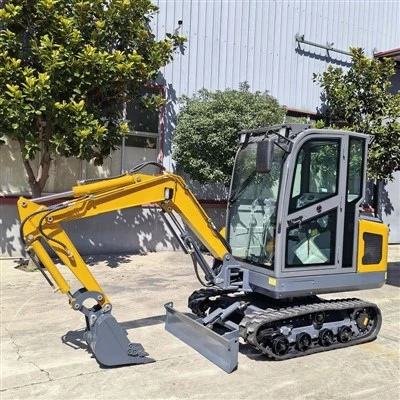
Operating a wheel excavator safely is a multi – faceted process that requires careful attention to detail, proper training, and regular maintenance. As a wheel excavator supplier, we are committed to providing high – quality equipment and supporting our customers with the knowledge and resources they need to operate our machines safely.
Loader If you are in the market for a wheel excavator or have any questions about safe operation, we encourage you to reach out to us. Our team of experts is ready to assist you in finding the right machine for your needs and providing you with all the information you need to ensure safe and efficient operation.
References
- Construction Equipment Operator’s Manuals.
- Occupational Safety and Health Administration (OSHA) Guidelines.
- Industry – specific safety training materials.
Shandong Feisite Machinery Co., Ltd.
As one of the most professional wheel excavator manufacturers and suppliers in China, we’re featured by quality products and good service. Please rest assured to buy cheap wheel excavator made in China here and get quotation from our factory. Customized orders are welcome.
Address: 100 meters south of Zengfusi Village, Mihe Town, Qingzhou City, Shandong Province
E-mail: Wpeng19911103@qq.com
WebSite: https://www.shandongfeisite.com/
