Hey there! As a PPGI/GI supplier, I often get asked, "Can GI be used for roofing?" Well, let’s dive right into this topic and find out. PPGI/GI
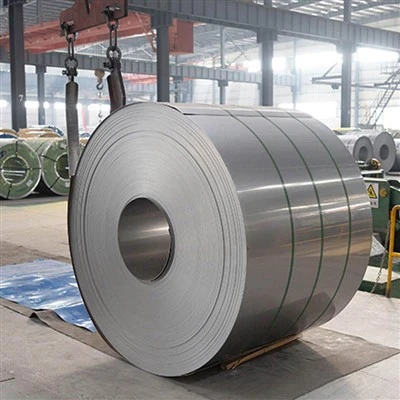
First off, let’s talk a bit about what GI is. GI stands for Galvanized Iron. It’s basically iron or steel that’s been coated with a layer of zinc. This zinc coating is super important because it acts as a protective shield for the metal underneath. It helps prevent rust and corrosion, which are major enemies when it comes to roofing materials.
Now, why would someone even consider using GI for roofing? There are a bunch of good reasons. One of the biggest advantages of GI roofing is its durability. The zinc coating on the GI gives it a long lifespan. It can withstand all kinds of weather conditions, from heavy rain and strong winds to scorching sun and freezing temperatures. This means that once you install a GI roof, you won’t have to worry about replacing it for a long time.
Another great thing about GI roofing is its cost – effectiveness. Compared to some other roofing materials like tiles or slate, GI is relatively inexpensive. This makes it a popular choice for both residential and commercial buildings, especially for those on a tight budget. You can get a high – quality roofing solution without breaking the bank.
In terms of installation, GI roofing is pretty easy to work with. It can be cut, bent, and shaped according to the requirements of the roof. This flexibility makes it suitable for different roof designs, whether it’s a simple flat roof or a more complex pitched roof. The installation process doesn’t require a lot of specialized equipment or skills, which can also save you money on labor costs.
But it’s not all rainbows and butterflies. There are a few drawbacks to using GI for roofing as well. One of the main issues is that over time, the zinc coating can wear off, especially in areas with high levels of pollution or saltwater exposure. Once the zinc coating is damaged, the underlying metal is at risk of rusting. To counter this, proper maintenance is crucial. You might need to periodically inspect the roof and apply a protective coating if necessary.
Another concern is the noise factor. During heavy rain or hailstorms, a GI roof can be quite noisy. This can be a bit of a nuisance, especially if you’re sensitive to sound. But there are ways to mitigate this. For example, you can install insulation between the roof and the ceiling, which not only reduces the noise but also helps with energy efficiency.
Let’s compare GI roofing with some other common roofing materials. Take asphalt shingles, for instance. Asphalt shingles are popular because they’re relatively cheap and easy to install. However, they don’t have the same level of durability as GI. They tend to break down over time due to exposure to the elements, and you might need to replace them more frequently.
On the other hand, tile roofs are known for their aesthetic appeal and long lifespan. But they’re much heavier than GI roofs, which means your building’s structure needs to be able to support the extra weight. They’re also more expensive to install and repair.
In the commercial sector, GI roofing has a lot of applications. Warehouses, factories, and agricultural buildings often use GI roofs. These buildings usually need a cost – effective and durable roofing solution, and GI fits the bill perfectly. The large surface areas of these structures make the cost – effectiveness of GI even more apparent.
For residential use, GI roofing can give your home a modern and sleek look. You can choose from different colors and finishes to match the style of your house. Plus, with proper maintenance, it can last for decades, providing you with a reliable shelter.
Now, if you’re still on the fence about whether to use GI for roofing, here are some practical tips. First, make sure you source your GI from a reputable supplier. That’s where we come in! We’ve been in the PPGI/GI supply business for a long time, and we can guarantee the quality of our products. We have a wide range of thicknesses and coatings available to meet your specific needs.
When it comes to installation, it’s always a good idea to hire a professional. They have the experience and knowledge to ensure that the roof is installed correctly, which will maximize its lifespan and performance.
If you’re concerned about the appearance, we can also offer pre – painted GI (PPGI). PPGI comes in a variety of colors, so you can choose one that complements the architecture of your building. It not only looks great but also provides an extra layer of protection against the elements.
In conclusion, GI can definitely be used for roofing, and it has a lot of advantages. It’s durable, cost – effective, and easy to install. While there are some drawbacks, with proper maintenance and installation, these can be easily managed.
If you’re interested in exploring the possibility of using GI for your roofing project, I’d love to have a chat with you. Reach out to us and let’s discuss your specific requirements. We can provide you with samples, quotes, and all the information you need to make an informed decision.
Aluminum Foil References:
- "Roofing Materials Handbook"
- Industry reports on galvanized iron and roofing trends.
Wuxi Jin Ming Jian De Industry & Trade Co., Ltd.
Wuxi Jin Ming Jian De Industry & Trade Co., Ltd. is one of the most professional ppgi/gi manufacturers and suppliers in China, also supports customized service. With abundant experience, we warmly welcome you to wholesale CE approved ppgi/gi in stock here from our factory. If you have any enquiry about quotation, please feel free to email us.
Address: 2102-2105, Yuexing Building, Guangnan Road, Liangxi District, Wuxi City, Jiangsu Province, China.
E-mail: info@wxjmjdss.com
WebSite: https://www.jmjdsteelexp.com/
