Hey everyone, it’s Jake here from your go-to skid steer supplier—let’s cut to the chase because I know when you’re running jobs with a skid steer, the last thing you wanna do is overthink tire tech and waste time on the wrong rubber. I talk to contractors, farmers, and landscapers every single week who’ve blown out tires mid-job, slid off a muddy slope, or dropped $800 on a set of “all-purpose” tires that did nothing right for their site. Today, we’re breaking down exactly what tire fits your skid steer—not the generic stuff the big box stores push, but stuff that actually works for your day-to-day. Skid Steer Loader
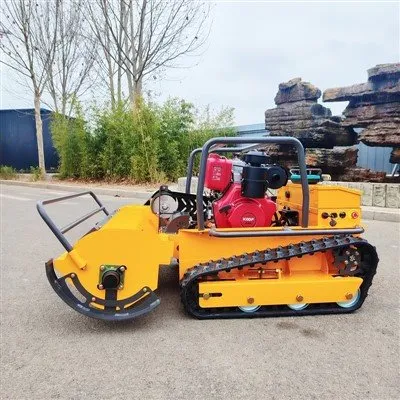
First off, let’s get one thing straight: skid steer tires aren’t car tires. Yeah, they look like big, bulky rubber, but their whole job is to handle 2,000+ lbs of loader, plus attachments like brush cutters, pallet forks, or augers, on terrain that’d make a passenger car’s tires cry. I’ve seen guys swap tires three times in a month because they grabbed the wrong ones. So let’s start with the basics you need to know before even clicking “add to cart.”
The Big Three: What You Actually Need To Pick From
When it comes to skid steer tires, there are three main types—air-filled, foam-filled, and solid rubber (I know, “solid” sounds extreme, but hear me out). Each has a super specific job, and matching it to your work is the difference between a smooth week and a total nightmare.
Air-Filled Pneumatic Tires: For Guys Who Want Flexibility (And Save Cash)
Let’s start with the most common one: air-filled pneumatic tires. These are the standard ones you see on new skid steers rolling off the lot, right? They work like car tires—rubber around an air chamber, so they have give, absorb bumps from rocks and uneven pavement, and grip way better on smooth surfaces than the other two options. But here’s the catch: they only work if you inflate ’em to the right PSI (pounds per square inch). I can’t tell you how many guys I see running these at 30 PSI when they’re supposed to be at 12, or vice versa.
Wait, what’s the right PSI for? If you’re working on pavement, doing landscaping jobs, moving pallets of bricks around a job site, 10-15 PSI is perfect—it’ll roll smooth, won’t tear up asphalt, and the grip is enough to keep you from sliding when you pivot (you know that “skid” part of skid steer? Yeah, these tires let you pivot without tearing up the ground). But if you’re bouncing over gravel or rocky trails, crank that PSI up to 18-22. Too low, and you’ll pinch the inner tube (wait, do they even have inner tubes? Most modern air-filled skid steer tires run tubeless now, but pinch flats still happen) on a sharp rock, and suddenly you’re stuck changing a flat in the middle of a field at 7 a.m. on a Monday.
The biggest upside of air-filled tires? They’re cheap. A set of four will run you anywhere from $300-$600, depending on size, vs. $1,000+ for foam-filled. But the downside? They flat. A lot. If you’re working on a construction site with tons of rebar, or a farm with barbed wire strewn around, a single nail can leave you stranded. That’s why air-filled are only for specific jobs: landscaping, indoor demo, small construction sites with smooth or semi-smooth terrain.
Foam-Filled Tires: The Middle Ground (Most People’s Go-To)
Now, if air-filled are too fragile and solid rubber are too stiff, foam-filled is the sweet spot. Here’s how they work: after mounting the tire, you pump a special polyurethane foam into the air chamber until it’s solid—no more air, no more flats. It still has a little give (way more than solid rubber), so it absorbs bumps, and you don’t have to stress about nails, glass, or sharp rocks ruining your day. I’ve had a set on a skid steer for three years now, running them on farm fields and construction sites, and I’ve never had a flat. That peace of mind is priceless, right?
But wait, foam-filled has a couple of downsides. First, they’re heavy—like, 20-30 lbs more per tire than air-filled. That extra weight can actually affect your skid steer’s lifting capacity. If you’re lifting pallets of stone, a 5-lb difference in each tire might not be a big deal, but if you’re using a heavy attachment like a tree spade, that extra weight could cut into how much you can lift. Second, they cost way more: a set is $1,000-$1,800, so it’s a bigger upfront investment. And if you do damage one (like, puncture the sidewall so bad the foam leaks out), replacing just one tire is tricky—you gotta make sure all four are matched, because uneven tire weight messes with your steering.
When are foam-filled the best pick? If you’re bouncing between multiple site types—like landscaping one day, construction the next, maybe even a little farm work with rocks. They handle smooth pavement, muddy grass, and gravel way better than air-filled, and you don’t have to carry a spare or a tire iron everywhere. That’s why most of our construction and landscape regulars go with foam-filled.
Solid Rubber Tires: For The Brutal Jobs (And The People Who Hate Downtime)
Last but definitely not least: solid rubber tires. These are exactly what they sound like—no air, no foam, just a hunk of rubber molded to fit your skid steer’s rim. They’re indestructible. Like, I’ve seen a skid steer run over a concrete block with a 2-inch nail sticking up, and the solid tire didn’t even scuff. They’re made for the worst terrain: construction sites with tons of rebar, demolition sites with broken glass and metal scraps, even snow removal where salt and ice can eat away at air or foam tires.
But here’s why they’re not for everyone: they’re stiff. Like, so stiff you’ll feel every single rock, every pothole, every piece of rebar under you. After 8 hours of running a skid steer with solid tires, your back is gonna hate you. Also, they’re super heavy, like 50 lbs per tire or more, so that’ll cut into your lifting capacity even more than foam-filled. And let’s talk cost—we’re talking $1,500-$2,500 for a set, which is a huge investment. I only recommend these to guys who do hard, heavy-duty work, where a single flat would cost them hundreds in downtime. If you’re running a demo crew that’s working 12-hour days and can’t afford to stop for a flat, solid rubber is your guy.
Don’t Forget The Tread Pattern—It’s More Important Than You Think
Wait, I almost forgot the tread! A lot of people just buy any tire that fits their skid steer, but the tread is what determines grip. Let’s break down the main tread types too, quick, because this can make or break your job.
- Smooth Tread: For indoor work, polished concrete, or asphalt. Think about it—you don’t want deep treads catching on tile or making marks on a showroom floor. Smooth tires are perfect for indoor demo, moving materials in a warehouse, or any job where you need zero ground damage.
- Semi-Serrated Tread: This is the middle of the road—little bits of grip, not too aggressive. Great for mixed terrain: grass, gravel, pavement, mud. It’s the most popular tread because it works for almost anything.
- Lug Tread: Super deep, blocky lugs for muddy, rocky, or loose terrain. The lugs dig into mud so you don’t spin out, and they grab on rocks. If you’re working on a farm or a construction site with tons of mud after rain, lug tread is non-negotiable. But warning: they tear up pavement like crazy, so don’t use these on jobs that need smooth surfaces.
Common Mistakes I See Guys Making All The Time
Let’s wrap this up with the mistakes I hear about every week, so you don’t fall for ’em. First: buying the wrong size. Skid steer tires have specific size numbers—like 10-16.5 or 12-16.5. Don’t guess, pull your current tire off and check the sidewall. A too-small tire will rub against the frame, a too-big one won’t fit on the rim. I can’t tell you how many guys show up to our shop with tires that don’t fit because they just googled “skid steer tires” instead of checking the sidewall.
Second: mixing tire types. Don’t run one air-filled and three foam-filled, or two solid and two air. Uneven tire pressure (or type) will make your skid steer pull to one side, mess with steering, and even cause premature wear. If you’re replacing one tire, replace all four at the same time, or at least match the type and tread depth.
Third: ignoring maintenance. Even tough tires need a little love. For air-filled, check PSI every week—especially if you’re bouncing between hot and cold sites, temperature changes affect pressure. For foam-filled, inspect the sidewalls every month for cracks, since that’s the most common way they get damaged. For solid rubber, check for chunks missing out of the tread—if you see a chunk, replace the tire before it causes a leak (wait, solid don’t leak, but a missing chunk can throw off balance).
Alright, So What Should You Actually Get?
Let’s make this simple, no jargon, just quick recommendations based on what you do:
- Landscapers, small construction, indoor work: Air-filled pneumatic tires with semi-serrated tread. Cheap, flexible, great for smooth terrain. Just don’t forget to check PSI!
- General contractors, multi-site work, farm use: Foam-filled tires with semi-serrated or lug tread. Middle ground, no flats, works for almost everything.
- Demolition, heavy construction, 12-hour days, no downtime: Solid rubber tires with lug tread. Indestructible, but plan for the stiff ride and higher cost.
At the end of the day, the right tire isn’t about what’s “best” on paper—it’s about what works for your jobs. A set of $300 air-filled tires might be perfect if you only do small backyard landscaping, but if you’re running a crew that relies on their skid steer every day, the $1,000 foam-filled tires will save you way more in downtime and repairs.
If you’re not sure which tire fits your skid steer or your work, hit us up—we’ll walk you through checking the size, matching tread to your terrain, and even help you calculate if the cost is worth it for your job. No pushy sales, no confusing fine print, just straight answers. We’ve been helping skid steer operators pick the right gear for 10+ years, so we know exactly what works for different sites, different budgets, and different workloads.
Don’t waste another day dealing with flats, bad grip, or tires that don’t fit. Reach out and let’s chat—we’ll get you set up with the exact tires you need to get your job done right, no headaches.
Skid Steer Loader References:
- Skid Steer Tire Technical Manual, Construction Equipment Association, 2022
- Tire Performance Specifications for Compact Loaders, Rubber Manufacturers Association, 2021
- Skid Steer Operator Safety and Maintenance Guide, Occupational Safety and Health Administration (OSHA), 2023
- Compact Tire Terrain Compatibility Study, International Society of Automation (ISA), 2020
Jining Sunsail Machinery Co., Ltd.
With abundant experience, we are one of the most professional skid steer loader manufacturers and suppliers in China. We warmly welcome you to buy high-grade skid steer loader made in China here from our factory. For price consultation, contact us.
Address: Room 410, Digital Industry Building, Rencheng District, Jining City, Shandong Province,China
E-mail: Sunsail_machinery@163.com
WebSite: https://www.sunsailmachine.com/
