Hey everyone, it’s Jake here from your go-to packaging equipment crew, and let’s cut the crap for a second—buying new packaging gear isn’t like grabbing a random bag of chips from the corner store. You can’t just hit “add to cart” on something that looks shiny online, because if it breaks down a week after installation, you’re staring at hours of downtime, lost product, and a whole lot of stress. I’ve seen so many clients waste thousands on junk that sounded good on paper but fell flat I could write a whole other blog about the horror stories. Today, I’m breaking down exactly how to vet packaging equipment before you plop down your cash, no sales jargon, no fancy buzzwords—just real, actionable stuff we actually use with our own clients. Packaging Equipment
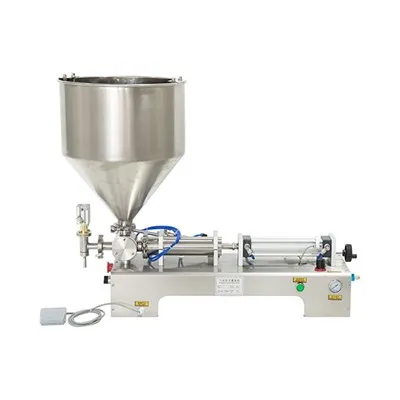
First off, let’s talk specs, but not the boring kind that’s buried in a 50-page PDF. Yeah, you need to check max/min speed, because if you’re shipping 10,000 units a day, a machine rated for 5,000 ain’t gonna cut it—but you also need to make sure that speed is consistent. A lot of brands pad their numbers to look good, right? They’ll say “up to 100 packages per minute” but that only happens if you’re running the exact same flat, cardboard boxes for toothpaste. If you switch to thicker boxes for appliances or flexible pouches for snacks? That 100 number drops to 60, and that’s a problem. What we always tell folks is to ask for real-world test data—like, what speed did it hit when running the exact materials you use every day? And don’t forget footprint—nothing sucks more than bringing a massive machine in only to realize you can’t fit it between your shrink wrap station and the loading dock. Measure twice, buy once, that’s our motto.
Next, the stuff you can actually touch and test in person, if you can. If you’re local, always ask to visit a demo facility. It’s one thing to watch a 2-minute YouTube video of a machine working, it’s another to stand there, run your hand over the frame, listen to how loud it is, and see how it handles your actual product. I had a client last year who bought a labeling machine sight unseen because the sales rep said it “worked great for bottles.” Turned out, their bottles had a weird dented rim that made the label skew—something the demo video never showed because they used perfect, undented test bottles. When he brought his own, the machine couldn’t keep up at all. If you can’t do an in-person demo, ask for a live video call where you walk the rep through your process, and have them run your product on the spot. Any reputable supplier will jump at that—we do it every week, no hoops to jump through. And while you’re at it, check the build quality: is the frame solid steel, or thin aluminum that’ll bend after a few months? Are the moving parts (like conveyor belts, rotary chucks, sealers) easy to access, or hidden behind panels you have to unscrew with a special tool? Simple maintenance is make or break for uptime.
Then there’s compatibility with your existing line. This is the mistake so many first-time buyers make—they fall in love with a machine that looks perfect, only to find it won’t talk to their old conveyor system, or the control panel uses a different software than the rest of their factory. Suddenly you’re paying for extra integrators, custom wiring, and months of downtime just to get it working. Before you even look at machines, write down every detail of your current setup: conveyor width, PLC (programmable logic controller) brand, existing packaging software, even the power requirements (some machines need 3-phase power, and if your factory only has 1-phase, that’s another costly upgrade). We always send our engineering team to map out a client’s line before we even quote a machine, because we don’t want to sell something that doesn’t fit. If a supplier won’t do that, run—they’re just here for a quick sale, not a long-term partnership.
Warranty and support? Don’t sleep on this. I can’t tell you how many clients call us panicking at 8pm on a Friday because their machine broke, and the other supplier they bought from won’t answer their texts. Packaging equipment has moving parts, so stuff will break—seal knives wear out, belts slip, sensors get dusty. What matters is how fast they fix it. Ask what the warranty covers: is it parts only, or labor too? For how long? A lot of cheap machines have 30-day parts warranties, which is a joke. We offer a 1-year full warranty (parts and labor) on all our standard machines, plus 24/7 support because we know production doesn’t stop for weekends. Also, ask about spare parts: are the parts easy to find locally, or do you have to wait 2 weeks for a shipment from overseas? If a machine uses custom parts only the supplier makes, that’s a red flag—you’ll be paying premium prices and waiting forever when something goes wrong.
Another big one: flexibility. Let’s be real, your packaging needs aren’t static. Next year you might switch from 8oz sauce pouches to 16oz, or from cardboard boxes to shrink-wrapped trays for grocery stores. If your machine can only handle the exact product you run today, you’ll have to buy a new one in 2 years. Ask about changeover time—how long does it take to switch between products? A good machine will have quick, tool-free changeovers (under 10 minutes, ideally) instead of you having to swap out 10 different parts every time. We build all our machines with modular parts, so if you do need to switch product sizes, you just swap out a few inserts instead of the whole conveyor or sealer. I once had a client who had to shut down for 4 hours to switch products on their old machine—they saved 10x the cost of our flexible machine in the first 6 months from less downtime.
Also, don’t forget to check reviews and references, and I mean actual references, not the 2-star ones on Google. If a supplier gives you a list of references, call them. Ask them the hard stuff: how has the machine held up after a year? Did you get the support you needed when something broke? Were there any hidden costs that popped up after delivery? A lot of suppliers only give you references that will say nice things, so go a step further—search for industry forums (like Reddit’s r/manufacturing or packaging industry groups on LinkedIn) and ask other buyers about the brand. I’ve seen so many people fall for brands that post fake testimonials on their website, but real people will tell you the truth on a forum. We’ve had clients come to us after bad experiences with another brand, and they always say they checked the forums first to make sure we weren’t the same kind of fly-by-night operation.
Wait, and let’s talk about total cost of ownership, not just the upfront price. Yeah, a cheaper machine might seem like a steal, but if it uses more energy, has higher maintenance costs, and breaks down every other month, it’ll end up costing you way more in the long run. Do the math: add up the upfront cost, energy bills, maintenance parts, downtime costs (lost product, missed orders, overtime for your team), and replacement parts over 5 years. The expensive machine with a lower total cost might actually be the better deal. I had a client a few months ago who bought a $50k machine from a discount brand, and spent $15k in repairs and downtime in the first year. The next year, they traded it in for our $65k machine, and their annual maintenance costs dropped by 70% and downtime was almost zero. It’s not about the cheapest—it’s about the best value for your specific needs.
Oh, and one last thing: test run the full cycle, not just one product. A lot of demos only show one product being packaged, but what if you run a mix? Like, sometimes small bottles, sometimes large ones, sometimes pouches. Ask the supplier to run a batch of your actual mix of products through the machine. See if it jams, if the seals are consistent, if it can keep up with your pace when it’s not just a steady stream of identical items. Jammed lines are the worst—they shut down production for hours, and often damage product. We always do a full mix test with every client, even if they say they only run one product, because things change, and we want to make sure the machine can handle real-world chaos, not just a perfect demo.
At the end of the day, buying packaging equipment is a long-term investment, right? You don’t want to drop a bunch of money on something that’s gonna cause more problems than it solves. That’s why we take the time to walk every client through every step, answer all their dumb questions (trust me, we’ve heard them all), and make sure the machine we sell is actually a good fit for their business, not just a sale.

If you’re in the market for new packaging equipment, don’t waste time guessing if you’re making the right call. Reach out to us, and we’ll walk you through your needs, send over real test data from machines that would work for your products, even help you line up a demo if you’re local. No pressure, no pushy sales talk—just real advice from a team that’s been doing this for years.
Pad Printing Machine References:
- American Packaging Association. (2022). “Best Practices for Packaging Equipment Procurement and Quality Validation.” Industry White Paper.
- Manufacturing Extension Partnership (MEP). (2023). “Total Cost of Ownership Guide for Industrial Machinery.” U.S. Department of Commerce.
- Packaging Machinery Manufacturers Institute (PMMI). (2021). “Key Performance Metrics for Evaluating Packaging Equipment Reliability.” Technical Bulletin.
- Occupational Safety and Health Administration (OSHA). (2022). “Machine Guarding Guidelines for Packaging and Processing Equipment.” Federal Safety Standards.
Henan Seveneh Trading Co., Ltd.
As one of the most professional packaging equipment manufacturers and suppliers in China, we’re featured by quality products and good price. Please rest assured to buy advanced packaging equipment made in China here from our factory. We also accept customized orders.
Address: No.102 Wenhui Road, Economic Development Zone, Zhumadian City, Henan Province, China
E-mail: hnseveneh@gmail.com
WebSite: https://www.seveneh.com/
