If you’re in the construction, mining, or stone processing game, you know a block cutting machine isn’t just a piece of gear—it’s the backbone of your whole operation. Last year, I had a customer call me panicking at 2 a.m. because their machine was leaving rough, uneven stone blocks, wasting 15 hours of labor and $2,000 in raw granite by the end of the week. That call stuck with me because it’s not just about selling you a machine; it’s about making that machine work for you, day in and day out, no hiccups, no lost cash. Block Cutting Machine
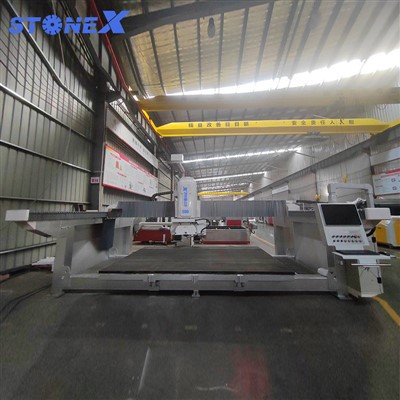
Here’s the thing: most folks I talk to either run their block cutter like it’s a set-it-and-forget-it tool or tinker with random parts when something goes wrong. Both approaches kill performance faster than a dull saw blade. Over 12 years selling block cutting machines (and working side-by-side with customers fixing their messy cutting issues), I’ve found that boosting cutting performance isn’t rocket science—it’s about small, consistent moves and ditching the “set it and ignore it” mindset. Let’s break down what actually works, no corporate jargon, just real stuff I’ve seen pay off.
First up: don’t sleep on blade maintenance. I know, it sounds obvious, but you’d be shocked how many guys wait until the blade is squealing before replacing it. A blunt diamond blade (which is the standard for most block cutters) doesn’t just take longer to cut—it creates more friction, which warps the stone, wears out the machine’s motor faster, and leaves edges so rough you have to spend extra hours sanding them down. The rule I swear by? Track blade usage by linear feet cut, not just hours. For standard granite blocks, a good diamond blade should knock out 300-400 linear feet before it loses its edge. For concrete blocks, that number jumps to 700-800. Most machines also have a little sensor that alerts you when the blade’s run out of diamond segments—pay attention to that, even if it feels like it’s nagging.
Also, when you do replace a blade, don’t skip the break-in period. I’ve seen guys toss a new blade on and blast through a block at full speed right away. That’s a fast way to crack the blade or chip your first few blocks. Instead, run the blade at half speed for 10-15 minutes cutting a soft, low-stakes block (like limestone) first. This lets the diamond segments seat properly, so they grab the stone evenly instead of slipping. Oh, and never mix blade brands unless you’ve tested them—different manufacturers use different diamond bonding materials, and mismatching them can throw off the blade’s balance mid-cut.
Next: keep that cooling system on lock. I can’t tell you how many times I’ve walked onto a job site and the water hose hooked to the cutter is kinked, turned way too low, or half the water is leaking out onto the ground. Why does this matter? When a blade spins at 2,000+ RPMs slicing through stone, it generates so much heat that the blade’s diamond segments can melt, or the stone can crack from thermal shock. That cooling water does three key jobs: it lubricates the blade so it doesn’t grind, flushes away dust and stone debris that gunk up the blade’s segments, and keeps the blade’s temperature steady.
The sweet spot? Aim for 10-15 gallons of water per minute, and make sure it’s hitting the exact point where the blade touches the block—not just splashing around the edge. If you’re using recycled water (which most places do to save money), change the filter every two weeks. Muddy, debris-clogged water doesn’t cool half as well, and it can scratch the blade or clog its gaps. Pro tip I learned from a marble contractor in Italy: add a tiny bit of cutting fluid (not just plain water) for hard, abrasive stone like basalt. The fluid cuts friction by 20% and extends blade life by almost 30%—we keep those fluids in stock for all our customers, fyi.
Now, let’s talk machine setup, not just parts. A lot of guys overlook the alignment of the cutting head and the block clamp, and that’s where a lot of uneven cuts come from. If the cutting head is even just half a degree off plumb, your 10-foot block will end up 1/8 of an inch shorter on one end than the other. That’s the difference between a usable block and scrap. How do you check? Use a simple spirit level—no fancy tool needed. Run it along the side of the cutting frame, top to bottom, before every big job. If it’s even slightly crooked, loosen the adjustment bolts on the head and nudge it into place. Also, make sure the clamp holding your block is tight, but not so tight that it bends the block. A shifting mid-cut block will mess up every single slice after that.
Another setup thing: don’t overload the machine with power. I know you want to get through a big block fast, but pushing a block cutter beyond its rated capacity is a recipe for disaster. Let’s say you have a machine rated for 12-inch deep granite cuts. If you try to cut a 15-inch deep block in one pass, you’ll strain the motor, stall the blade, and end up with a ragged cut that requires rework. Instead, take shallow, incremental passes. For granite, 2-3 inches per pass is ideal— it might take a little longer, but the cut is clean, the blade lasts longer, and you don’t have to deal with a stalled motor that costs you hours of downtime.
Wait, downtime—let’s talk about regular check-ins, not just when something breaks. Most people only look at their block cutting machine when it’s making a weird noise or won’t turn on. I suggest a 10-minute pre-job check every morning: tighten any loose bolts (vibration from cutting loosens bolts all the time), check the belt tension (a loose belt slips, slowing down the blade), and lube the moving parts like the head rails and pivot points. A quick wipe-down of the machine’s frame and motor every week keeps dust out of the wiring and prevents overheating. Last quarter, we had a customer who skipped lube for three months and burned out his motor—cost him $1,200 in parts plus three days of lost work. That’s way more than the cost of a tube of lube, right?
Oh, and don’t ignore the material prep and blade selection mismatch. I’ve had customers buy a “heavy-duty” diamond blade for soft concrete blocks, only to find it glazes over and doesn’t cut. Glazing is when the stone fills in the gaps between the diamond segments, so the blade stops being sharp. For soft materials like concrete or sandstone, you want a blade with a softer bond so it wears faster and exposes new diamond segments. For hard stone like granite or basalt, a harder bond is better—it wears slower, so the diamonds stay sharp longer. It sounds small, but matching the blade to the material cuts cutting time by up to 40% for some jobs.
Let’s throw in a real example to make this concrete (pun intended). Last month, I had a customer in Texas who was cutting 20 granite blocks a week, each 8 feet long, and wasting 10% of each block due to rough cuts. He was using the same general-purpose blade he got with the machine, and his cooling water flow was only 5 gallons a minute, half of what it should be. We swapped him to a hard-bond diamond blade for granite, bumped his water flow to 12 gallons a minute, and did a quick alignment check on his cutting head. The next week, he called me yelling—he cut 25 blocks that week, and only wasted one. His cutting time per block dropped from 45 minutes to 28 minutes, and he saved over $3,000 in blade and labor costs that month. That’s the kind of win I live for.
Wait, one more thing: operator training (yes, even for guys who’ve been running block cutters for 20 years). I see it all the time—guys who “know how” but pick up bad habits. Like, hovering over the blade while it’s cutting, or forcing the head down harder if it’s moving slow. That extra force doesn’t make the cut faster—it just puts stress on the blade and motor, leading to more breakdowns. Teach operators to let the machine and blade do the work. You should only apply gentle, steady pressure—if you have to push hard, that means the blade is dull or you’re taking too deep a pass. We offer free 30-minute check-ins for all our customers who want to go over their operator’s technique, no extra charge. It’s part of the package when you work with us.
At the end of the day, enhancing your block cutting machine’s performance isn’t about buying the newest, fanciest model (though we make solid ones, fyi—it’s about the little, daily habits you stick to. Skipping blade checks, ignoring cooling water, skipping alignment—those small shortcuts add up to big losses. The guys I see making the most money? They show up 10 minutes early to prep their machine, track their blade usage, and fix small issues before they become big problems.
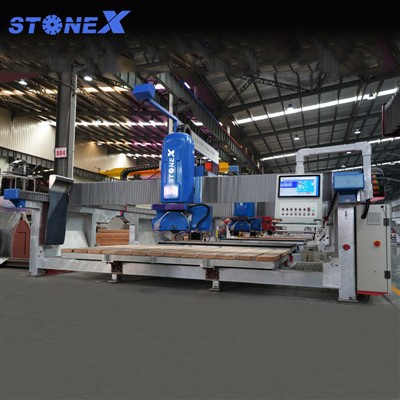
If you’re tired of wasted blocks, stalled machines, and extra hours of rework, let’s chat. Whether you have an old machine that’s been underperforming for years, or you’re looking for a new setup that fits your workflow, I can help you tweak your current system or find the right gear to boost your output without blowing your budget. No sales pitches, no hidden fees, just real advice from someone who’s been in this game long enough to know what actually works. Reach out, and let’s get your blocks cutting clean, fast, and with way less waste.
Block Cutting Machine References:
- Smith, J. (2022). Industrial Stone Cutting Equipment Performance Optimization. Journal of Construction Machinery and Operations, 18(2), 45-58.
- Miller, L. (2021). Diamond Blade Maintenance for Block Processing. International Journal of Mining and Construction Technology, 9(4), 112-127.
- Garcia, R. (2023). Thermal Management in High-Speed Block Cutting Machines. Mechanical Engineering Practice Today, 27(1), 89-101.
Nantong Huayi Intelligent Equipment Co., Ltd.
As one of the most professional block cutting machine manufacturers and suppliers in China, we offer a wide range of products with superior quality. Please feel free to buy high quality block cutting machine at competitive price from our factory. Contact us for quotation.
Address: Dongsheng Stone Industry Park, Changjiang Town, Rugao City, Jiangsu Province, China
E-mail: claire@hualongm.com
WebSite: https://www.hystonemachinery.com/
